
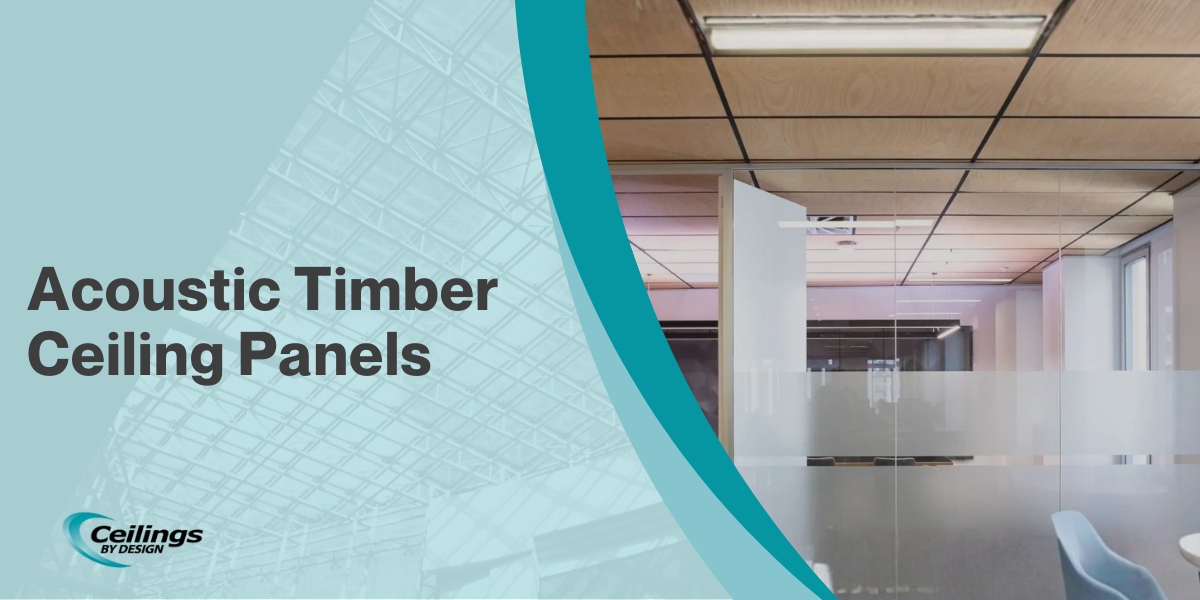
Few materials shape the atmosphere of a workplace as effectively as timber. It introduces warmth and texture to interiors that might otherwise feel austere, making it a natural choice for modern office fitouts across Australia.
But for architects, designers, and project managers, the question is not just aesthetic. It is whether an acoustic timber ceiling can deliver the level of sound control required of a space, or whether choosing timber introduces compromise.
The answer lies not in the timber itself, but in the way the ceiling system is designed. Acoustic timber ceilings are engineered assemblies that combine surface treatments, acoustic substrates and suspension systems to deliver measurable sound control while preserving the natural character of timber.
When specified thoughtfully, these systems can perform alongside conventional acoustic ceilings while creating interiors that feel warmer, quieter and more considered. Understanding how that performance is achieved is the key to selecting the right solution for each project.
Acoustic Timber Ceiling
Timber, by its nature, is not an acoustic material. A solid timber board or decorative veneer reflects sound rather than absorbing it. Effective acoustic performance comes from the system behind the visible surface, where perforations, acoustic backings and the ceiling cavity work together to absorb sound energy.
Not every acoustic timber ceiling relies on a timber veneer. Some systems achieve the same visual effect using a highly realistic timber print applied to an acoustic substrate. This approach combines the appearance of natural timber with the consistent acoustic performance of a purpose-designed acoustic panel.
Whether specified as a timber veneer over an acoustic backing or as a timber-look acoustic panel, modern acoustic timber ceiling systems can deliver sound absorption comparable to conventional commercial ceiling solutions.
For a broader look at how acoustic ceiling systems work, the post on what are acoustic ceilings provides a useful grounding.
A Deeper Look at Printed Substrate vs Perforated Veneer
Armstrong WoodWorks
Armstrong offers genuine timber aesthetics through laminate finishes and timber veneer options. The visual result can be more authentically natural than a printed surface, but the acoustic performance depends entirely on the substrate behind the facing.
Armstrong’s timber range covers multiple product lines with varying performance profiles. Specifiers should review the specific NRC and CAC data sheets for the product line and configuration under consideration, rather than relying on category-level assumptions.
Autex Acoustic Timber
Autex takes a printed approach. Their acoustic timber range uses a high-definition timber-look print applied directly to an acoustic substrate, rather than a real wood veneer or laminate. Because the substrate itself is the acoustic-performing material, the visual finish does not impede sound absorption. The result is a product that delivers consistent, predictable acoustic performance across the panel surface.
Autex timber-look panels are typically rated in the NRC 0.45 to 0.95 range depending on panel thickness and plenum depth. Select from 24 realistic timber grains and three style options (baffle, wall panel or ceiling tiles).
Cost Considerations: Timber Veneer vs Printed Acoustic Panels
While aesthetics and acoustic performance are often the starting points, cost also plays an important role when selecting an acoustic timber ceiling system.
In general, genuine timber veneer systems command a higher price than printed acoustic panels. This reflects both the material itself and the manufacturing process. Real timber veneers require natural timber, careful grain matching, specialist finishing and more complex production methods. The result is a premium architectural finish that showcases the variation and character unique to natural wood.
Printed acoustic panels take a different approach. A high-resolution timber image is applied directly to an acoustic substrate, eliminating the need for veneer while still delivering a convincing timber appearance. Because the substrate itself provides the acoustic performance, manufacturing is typically more streamlined, making these systems an attractive option where budgets are tighter or larger ceiling areas are involved.
However, material cost is only one part of the equation.
Installation requirements, ceiling complexity, panel sizes, service penetrations and long-term maintenance can all influence the overall project cost. A premium veneer system may be justified in a client-facing boardroom or reception area, while a printed acoustic panel may provide better value across large open-plan workspaces where acoustic performance is the primary objective.
Rather than asking which system is cheaper, the more useful question is which system delivers the right balance of appearance, performance and value for the space being designed.
Specify Acoustic Timber Ceiling Panels with Ceilings By Design
Acoustic timber ceilings demonstrate that architects and designers no longer need to choose between performance and aesthetics. Whether the project calls for the authenticity of a timber veneer or the consistency of a printed acoustic substrate, today’s systems are capable of delivering both acoustic comfort and architectural warmth when specified correctly.
The success of any ceiling, however, depends on more than the panel itself. Acoustic performance is influenced by suspension systems, ceiling build-ups, service coordination and installation detailing. Considering these elements early helps avoid compromises during construction and ensures the finished ceiling performs as intended.
At Ceilings By Design, we work with architects, designers and commercial builders to help resolve ceiling specifications before they reach site. From comparing acoustic timber ceiling systems to reviewing technical data, coordinating suspension systems and confirming compliance requirements, we help ensure the selected solution is appropriate for both the design intent and the practical demands of the project.
If you’re specifying an office fitout, we’re happy to review your drawings, discuss suitable acoustic timber ceiling options and provide the technical information needed to specify with confidence. Get in touch with our team today.
Frequently asked questions
Yes, when specified correctly. Modern systems are designed to deliver comparable acoustic performance while offering a different visual outcome.
Not always. Some systems use printed finishes over acoustic substrates, while others use real or laminate timber surfaces. Each approach has different performance characteristics.
Because much of the acoustic performance comes from what sits behind the visible surface. Two panels can look identical but behave very differently depending on their construction.
